
What Does OSHA Require for Farm Restrooms?
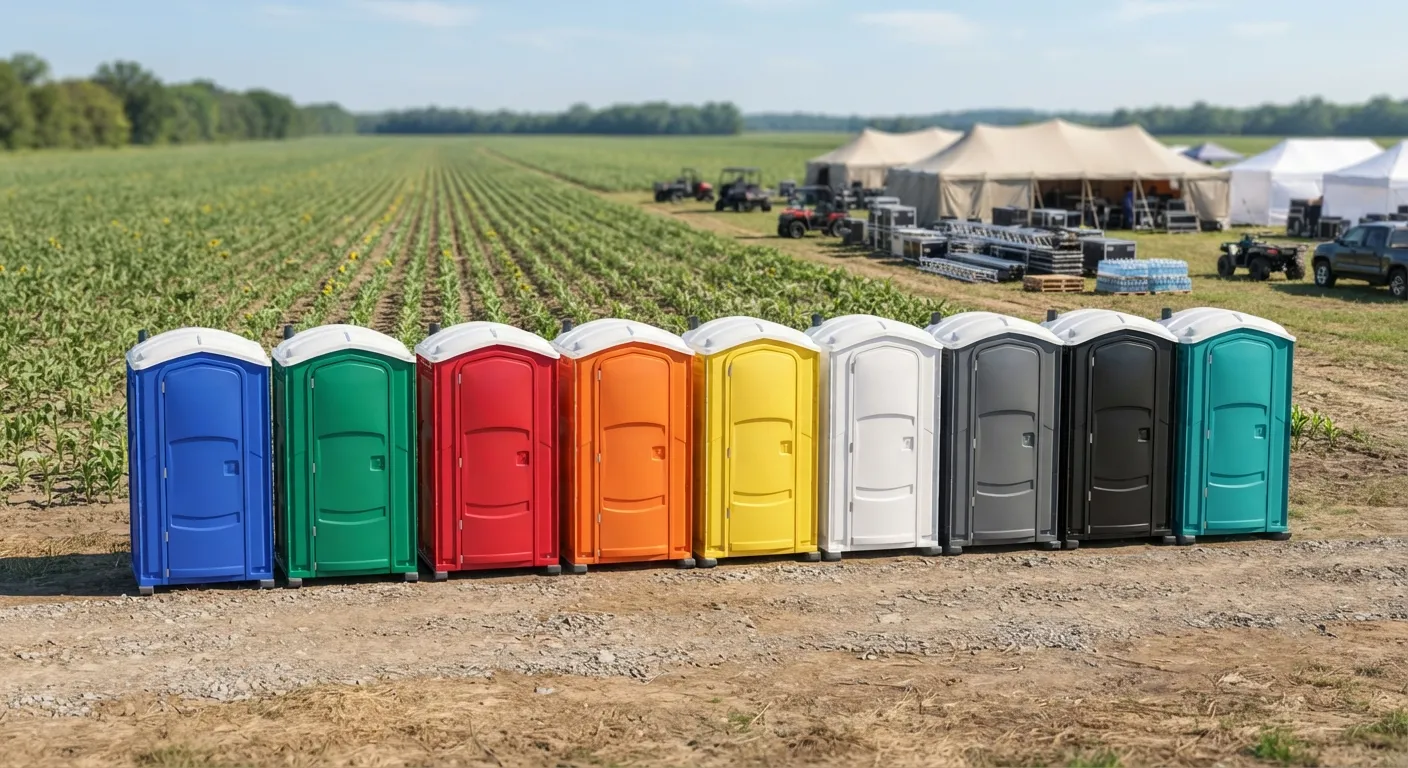
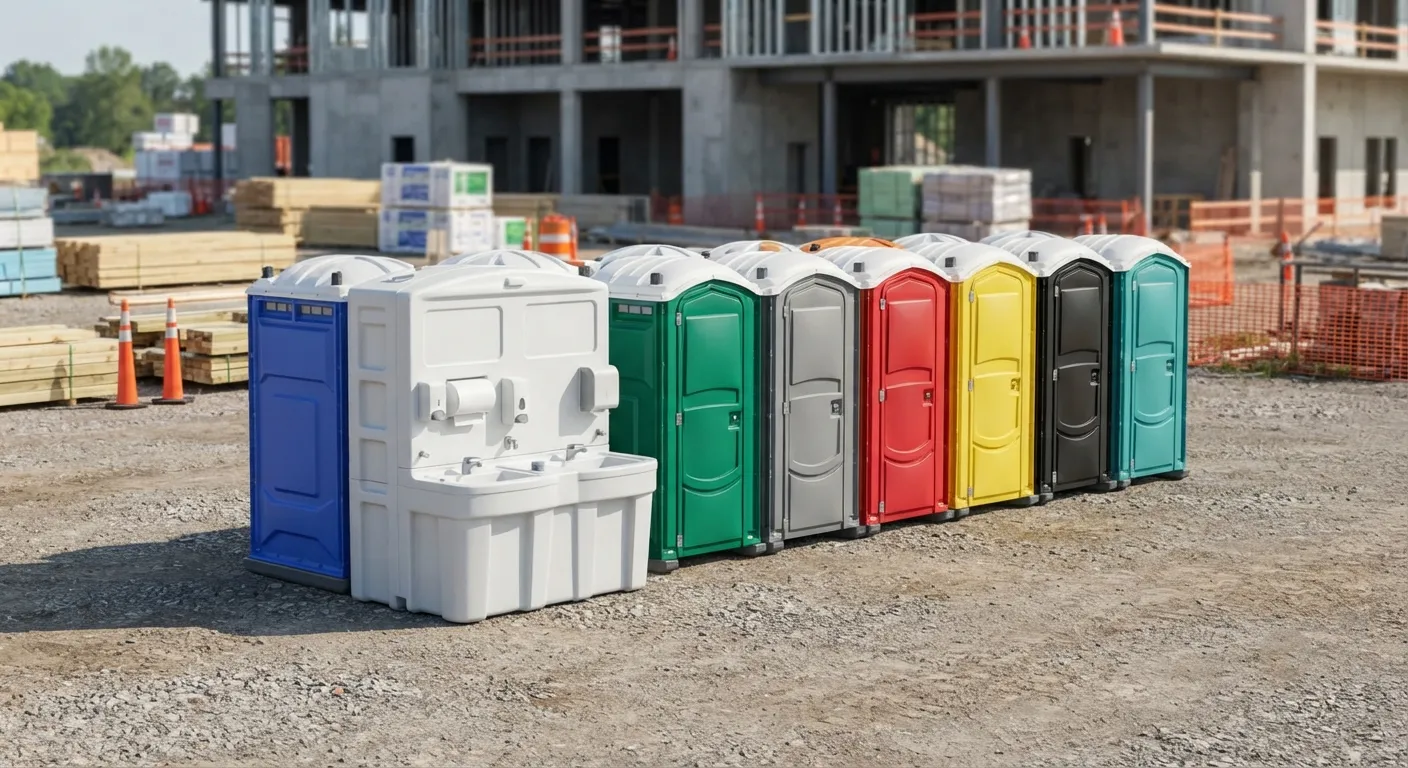
OSHA 1928.110 covers field sanitation for hand-labor agricultural work. It requires potable water, toilet facilities and handwashing at a ratio of one facility per 20 employees, and every one of those facilities has to sit within a quarter mile walk of where people are actually working. That last part trips up a lot of Burbank growers who assume one bank of units near the barn covers a whole property. It doesn't, not if your crew is spread across several fields. If your operation blends farm labor with general construction or grounds work, the ratios shift to OSHA 1926.51(c), which scales by headcount instead of quarter-mile zones. Either way, you need potable water on site too, per OSHA 1926.51(a)(1). We plan unit placement around your actual work zones, not just the property entrance, and we can walk that layout with you before delivery. For mixed crews working with fertilizers, herbicides or pesticide equipment, handwashing after that kind of exposure is separately required under OSHA 1926.51(f)(1), which covers washing after herbicides, insecticides, paints and coatings specifically. A standard handwashing station rental or a portable sink rental satisfies that requirement without needing a plumbed building nearby.
How Many Units Does a Farm Property Need?
Count your peak-season headcount first, then divide by 20 to hit the OSHA 1928.110 baseline, and add units if your crew works spread across multiple fields rather than one central yard. A 15-acre nursery with 40 pickers during harvest typically needs at least two standard units, positioned so no one walks more than a quarter mile. Our how many porta potties do I need guide breaks this down further, but agricultural sites have one wrinkle general contractors don't: seasonal swings. A Burbank grower might run a skeleton crew most months and triple headcount for harvest weeks. We set up standing weekly service for baseline months and add units for the surge without renegotiating the whole contract. Standard units run a manageable footprint, about 44 by 48 inches on the ground and 92 inches tall, so they tuck against a fence line or equipment shed without blocking tractor paths. Each holds a 60 to 70 gallon tank, enough for the ANSI/PSAI Z4.3 baseline of one weekly service call covering up to 10 users over a 40 hour week. Heavier crews need twice-weekly service, which we quote alongside your standard porta potty rental order. If your property borders a residential zone, check our porta potty placement guide before you set final positions.
What Does It Cost to Rent Farm Restrooms in Burbank?
A standard unit runs $100 to $350 a day depending on term length, with monthly agricultural accounts typically landing between $125 and $325 a month once you factor in weekly servicing. Longer-term farm contracts almost always beat short event rates, so if you're running restrooms through a full growing season, ask about the monthly tier instead of renewing weekly.
| Duration | Typical Range |
|---|---|
| Day | $100 - $350 |
| Week | $130 - $500 |
| Month | $125 - $325 |
Delivery adds a separate fee, generally $100 to $500 depending on distance and access, and most Burbank properties fall on the lower end since we're not driving out past West Hollywood, roughly 10.2 miles south, or Beverly Hills at 12.0 miles southwest, to reach you. Full cost breakdowns, including what drives the range up or down, live on our porta potty rental cost and porta potty rental per day pages. For farms running restrooms nine months or longer, our monthly porta potty rental page has the specifics on locked-in seasonal pricing. If your property also needs a holding tank for irrigation runoff or wash-water, we handle those separately through our holding tank rental service, and septic pumping for any on-site tanks runs through septic pumping service.
Farms with equestrian boarding or event barns sometimes need something closer to a deluxe flushable porta potty for boarders and visiting families, rather than a bare-bones field unit. And if a portion of your property hosts weddings, farm stands or seasonal events open to the public, that's a different use case entirely, worth reviewing on our festival restroom rental or wedding restroom rental pages, since public-facing events carry their own ADA and headcount rules under ADA restroom requirements.
Do I need an ADA-accessible unit on a farm property?
If your farm hosts public visitors, employees with disabilities, or events, yes. ADA Standards section 213.2 requires at least 5 percent of clustered units be accessible, never fewer than one. Pure field labor crews without public access don't always trigger this. See ADA accessible porta potty for specs.
How often are units serviced on agricultural sites?
Weekly at minimum, matching the ANSI/PSAI Z4.3 baseline of one visit per 10 users over a 40 hour week. Harvest season or larger crews often need twice-weekly pickups. We adjust the schedule seasonally rather than locking you into one fixed interval year-round.
Can I get handwashing stations without plumbing on a remote field?
Yes. Our handwashing station rental units run self-contained with their own water supply, satisfying 29 CFR 1910.141(d)(2), which requires soap and towels or a hand-drying device. No hookup needed, and placement follows the same quarter-mile rule as toilets.
What happens if my crew size changes mid-season?
Call us and we adjust the unit count and service frequency. Agricultural accounts fluctuate more than construction sites, and our Burbank routes are built to add or pull units within the same week without breaking the existing contract terms.
Do you serve properties outside Burbank city limits?
Yes. We cover Burbank and surrounding communities, including routes toward Alhambra at 18.0 miles southeast and Monterey Park at 19.6 miles southeast. Check service areas for full coverage, or request a quote directly for your address.
Next step
Get a delivery date
Tell us the address, the dates and the headcount. We size the order and confirm the route.